Hubble’s ads are everywhere — $1 for your first order, contacts delivered monthly, no hassle. It sounds like an obvious deal. Here’s what they don’t put in the ad: Hubble’s lenses are made by their own manufacturing operation under a private label, and they’re not equivalent substitutes for the Acuvue Oasys, Dailies Total 1, or Biofinity lenses your doctor prescribed. The subscription contact lens market has genuinely useful players and genuinely misleading ones. Knowing which is which saves money and protects your eyes.
What Contact Lens Subscriptions Actually Offer
Subscription models in the contact lens space operate in two ways:
Brand-name auto-replenishment: Services like 1-800-Contacts AutoRefill, Clearly autoship, and AC Lens subscriptions send the exact lenses your doctor prescribed on a schedule you set. You get a modest discount (5–10%) and don’t have to remember to reorder.
Private-label / house-brand subscriptions: Services like Hubble and some others substitute their own manufactured lenses for whatever your doctor prescribed. These are FDA-cleared devices — they’re safe — but “daily disposable contact lens” isn’t a single product; different lenses fit differently, have different oxygen permeability, and behave differently on different corneas.
| Service | Model | Monthly Cost | Annual Cost | Notes |
|---|---|---|---|---|
| Hubble Classic | Private label daily | $33–$36/month | $396–$432 | House brand lens, not your Rx brand |
| Hubble Hydra | Private label premium daily | $46–$55/month | $552–$660 | Improved moisture retention |
| Simple Contacts | Brand-name subscription | Varies by lens | $400–$900 | Ships exact prescribed brand |
| 1-800-Contacts AutoRefill | Brand-name subscription | Varies | $420–$850 | 5% discount, free shipping |
| Clearly Autoship | Brand-name subscription | Varies | $380–$800 | 5% discount |
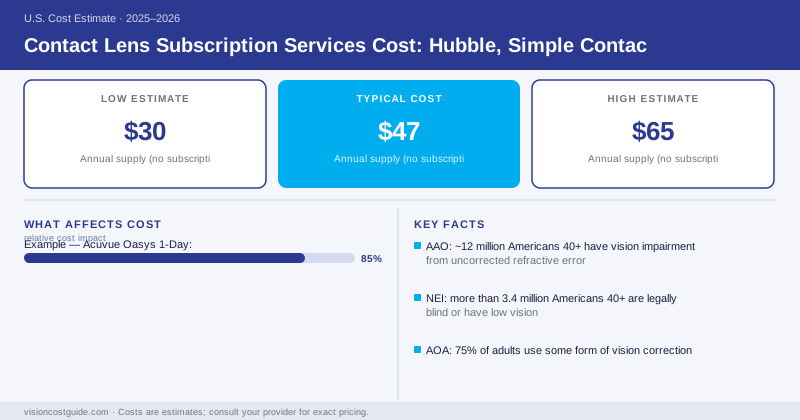
| Annual supply (no subscription) + rebate | Brand-name | Equiv. $30–$65/mo | $360–$780 | Often cheaper after rebate |
The Hubble Problem (and Why It Matters)
Hubble’s lenses are manufactured by St. Shine Optical under the Hubble brand. The specific lens parameters (base curve, oxygen permeability, moisture content) may differ from what your eye doctor fitted you for. A contact lens that fits differently than your prescribed lens may cause discomfort, reduced oxygen supply to the cornea, or suboptimal vision — not immediately dangerous, but a meaningful clinical concern if worn daily for years.
The AAO and AOA have both raised concerns about the substitution model. In 2019, the FTC required Hubble to update its advertising to make the substitution more explicit.
This doesn’t mean Hubble’s lenses are inherently unsafe — many people wear them without issues. But changing your contact lens brand/model from what your eye doctor fitted you for without a clinical assessment is the relevant risk. Your lens fitting exam was for a specific lens.
Run this comparison before committing to any subscription:
- Note your exact lens brand and parameter (e.g., Acuvue Oasys 1-Day, 8.5 base curve, -3.00)
- Check annual supply price at: 1-800-Contacts, Clearly, and AC Lens
- Add the current manufacturer rebate (check jnjvisionpro.com, myalconrebates.com, or cooperrebates.com)
- Divide by 12 to get effective monthly cost
Example — Acuvue Oasys 1-Day:
- Annual supply at 1-800-Contacts: ~$620
- J&J rebate: −$150
- Net: $470/year = $39/month
Hubble’s equivalent daily price: $36–$46/month — but for their private-label lens, not Acuvue Oasys.
For many major brand lenses, buying an annual supply and filing the rebate is cheaper than the subscription AND uses the exact lens you were prescribed.
The Simple Contacts Prescription Situation
Simple Contacts uses a remote prescription renewal process: you complete a brief online vision test (about 5 minutes), a licensed eye doctor reviews it, and if it matches your existing prescription, they renew it. The fee is $20.
This is convenient — but it’s not a substitute for a comprehensive eye exam. The online test checks whether your refraction has changed; it doesn’t assess eye health, intraocular pressure, retinal status, or the contact lens fit itself. The AOA has criticized these services for creating the perception that annual exams are optional when they’re clinically necessary.
Use Simple Contacts for a late-year prescription renewal to buy another year’s supply when your prescription is genuinely stable and you’re still planning a full exam soon. Don’t use it to indefinitely replace clinical care.
When Subscriptions Make Sense
Convenience value is real for some people. If the main reason you don’t buy an annual supply is that you keep forgetting and running out — and that causes you to wear lenses past their recommended replacement date — then an autoship subscription that ensures a monthly supply arrives automatically has genuine health value, not just convenience value.
For simple, stable prescriptions: If you’ve worn the same daily contact lens for three years with no issues, brand-name autoship (not private label) at a 5% discount with free shipping is low-risk and genuinely convenient.
Not worth it: If your prescription is new, changing, or you’ve had lens comfort issues — get properly fitted with new lenses and stabilize before automating anything.
Never wear contact lenses past their recommended replacement schedule to save money. The cost of a corneal infection (keratitis) treated in an emergency department runs $500–$2,000 and can cause permanent vision damage. Daily disposables are daily disposables — wearing them two days costs $0 in additional lenses but creates real infection risk. Monthly lenses reworn for six weeks save $8–$12 in lenses and create measurable corneal hypoxia risk. The math doesn’t work in favor of extended wear.
Bottom Line
For most contact lens wearers, buying a name-brand annual supply from an authorized US retailer and filing the manufacturer rebate is cheaper than subscription services — and uses the exact lens your doctor prescribed. Autoship services from 1-800-Contacts or Clearly add convenience for a small premium without the substitution risk of private-label services like Hubble. Remote prescription renewal services are a stopgap, not a replacement for annual clinical care.
Frequently Asked Questions
Contact lens subscription services typically cost $30–$80 per month, depending on the provider and lens type. While Hubble advertises a $1 first order, ongoing monthly costs for subscription services generally fall in this range, though you should verify the exact price for your specific lens prescription before committing.
Most health insurance plans do not cover contact lens subscription services like Hubble or Simple Contacts, as they're considered elective vision care. You may have a separate vision plan or annual allowance ($100–$150 is common) that could apply to any contact lens purchase, but you should check your specific plan details with your insurance provider.
You can use your current contact lens prescription with most subscription services, but the specific brand and parameters may differ from what your doctor prescribed—subscription services often use their own private-label or alternative brands rather than name-brand lenses like Acuvue Oasys or Dailies Total 1. Always verify that the available lens options match your prescription before subscribing, as substituting different brands without medical guidance may affect comfort or eye health.